


The Joyful by Nature project explores how animals experience and communicate positive emotions. While scientific research has historically focused on fear, stress and other negative states, growing evidence suggests that joy and play may play an essential role in animal cognition and social life.
By studying vocalisations, behaviour and social interactions in multiple species, researchers aim to better understand when and why animals express signals associated with joy.
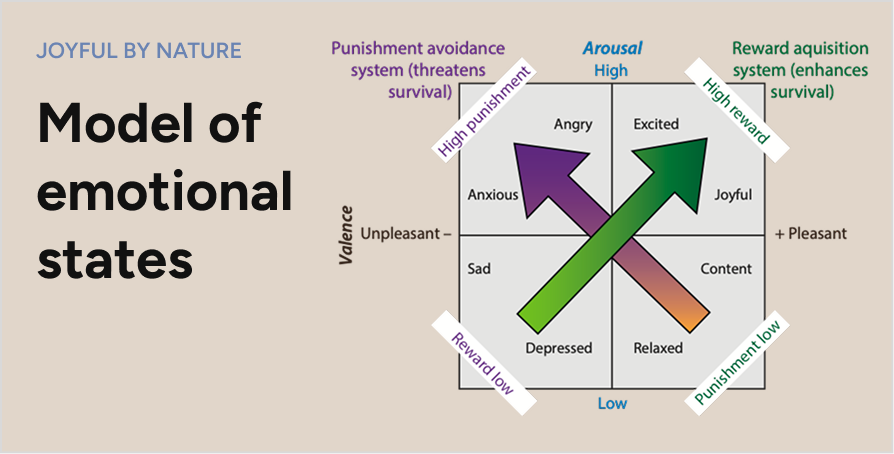
We are developing new ways to measure positive emotions and their effect on behavior and sociality in diverse species.
The project brings together PIs from leading institutions across the US and Europe, including UCSB, Indiana University, University of South Alabama, University of St Andrews, UAB (Barcelona), and Canterbury Christ Church University.
We work on three groups of animals that are widely separated in evolution because strong comparative methods require understanding of similarities and differences.
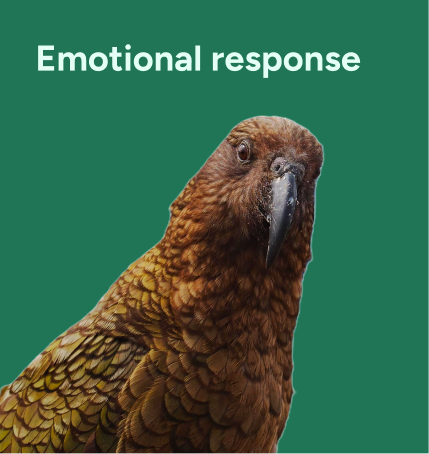
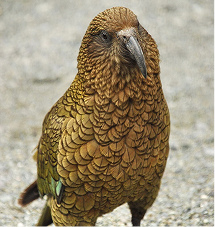
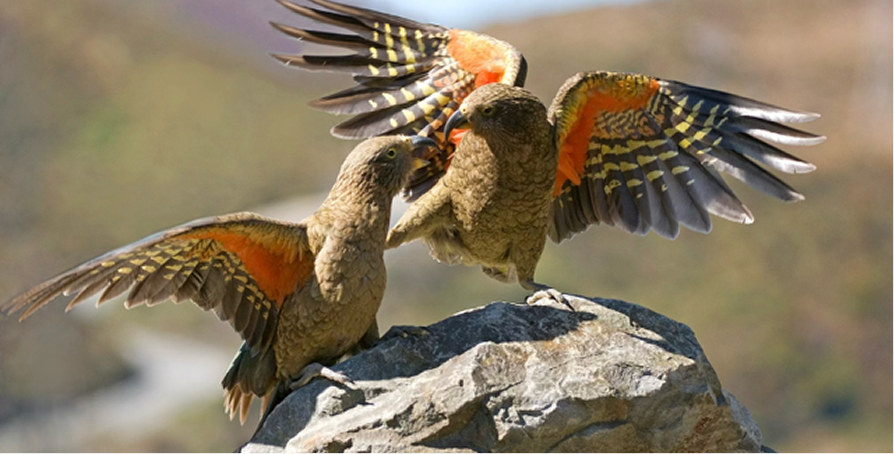
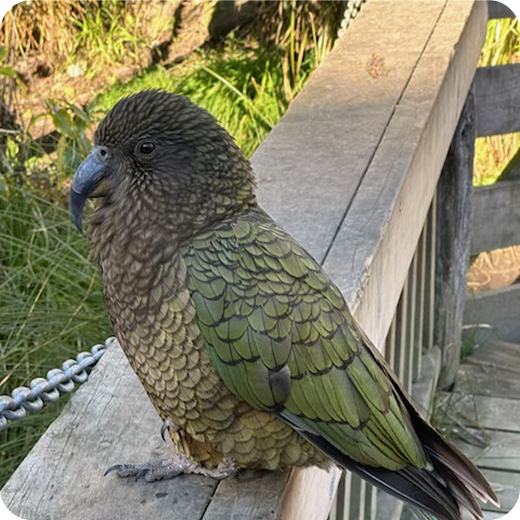
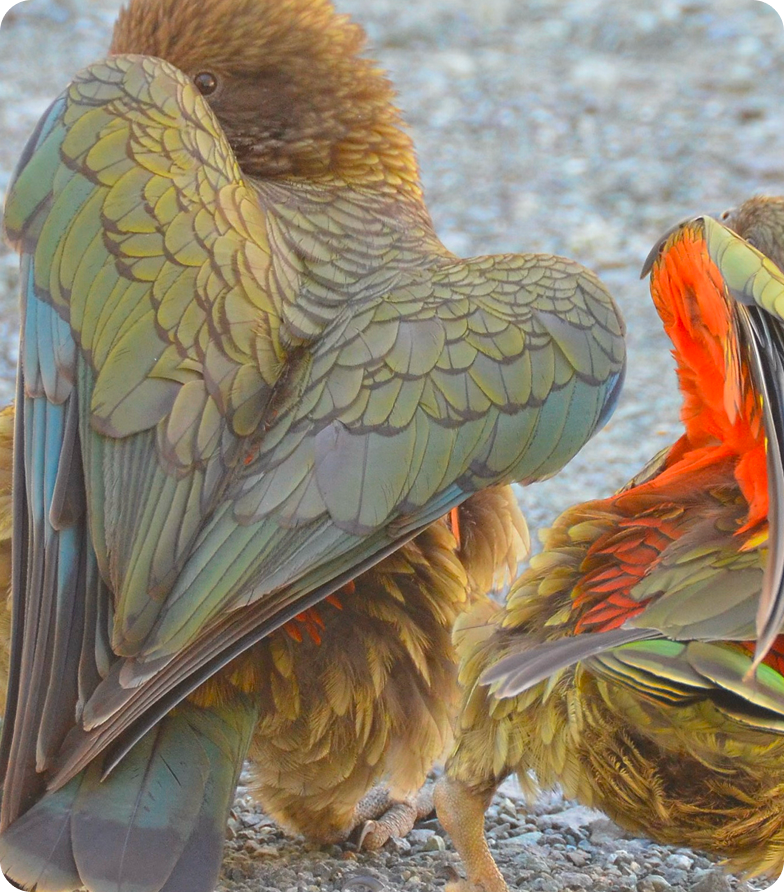
Kea are highly intelligent alpine parrots native to New Zealand. Known for their playful curiosity and complex social behaviour, kea provide a unique opportunity to study vocal signals associated with play and positive emotion.
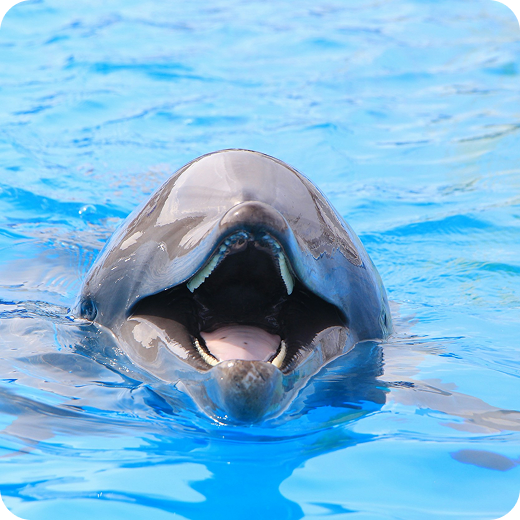
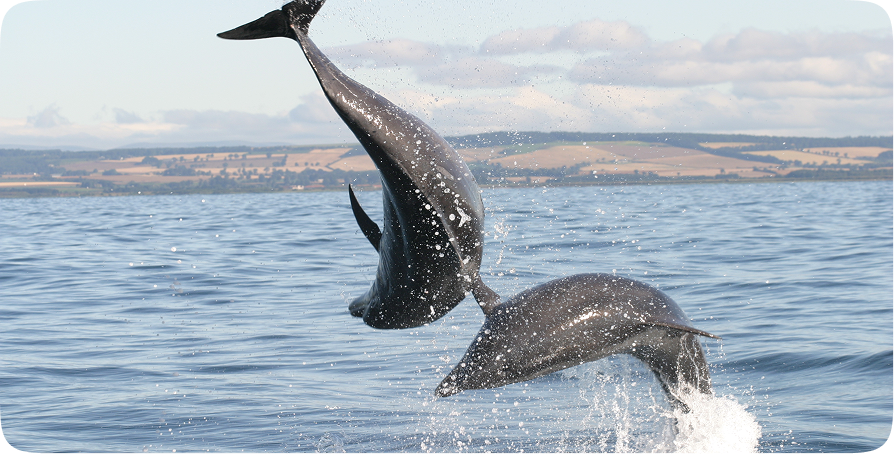
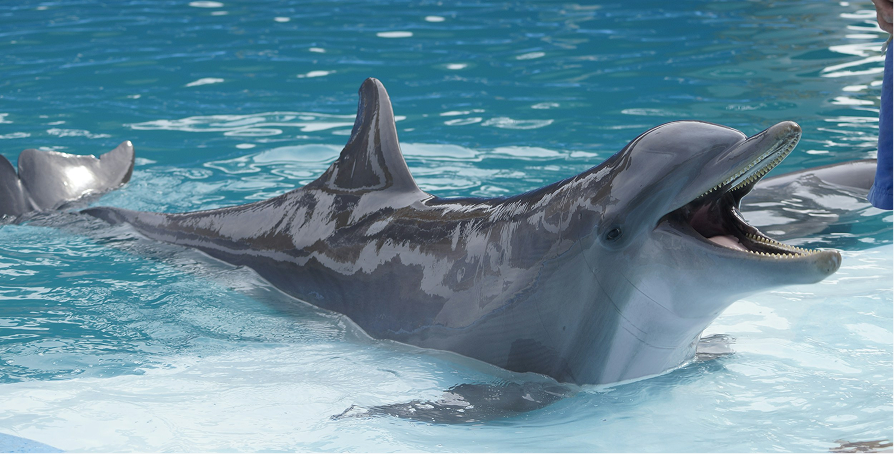
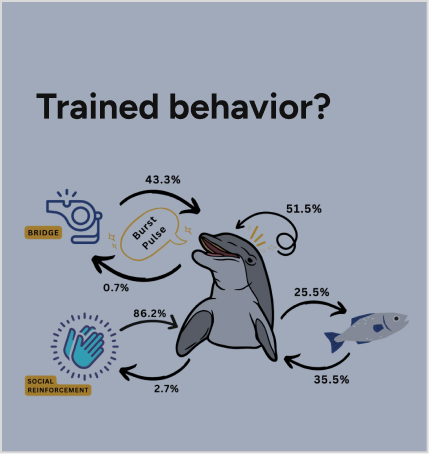
Bottlenose dolphins display sophisticated communication and social learning abilities. Their vocalisations and social interactions allow researchers to investigate whether playful signals can influence mood, cooperation and learning.
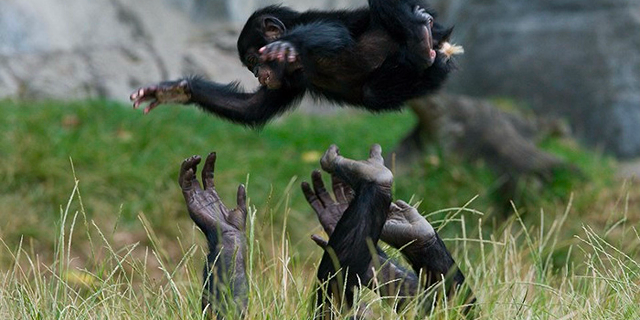
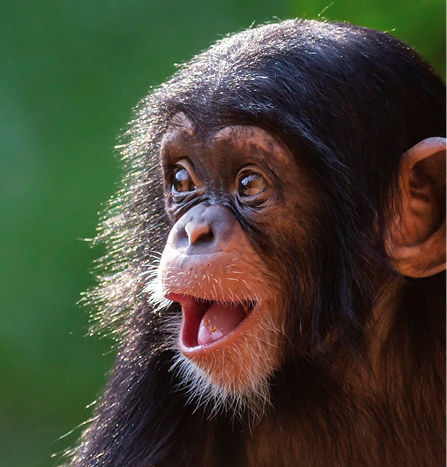
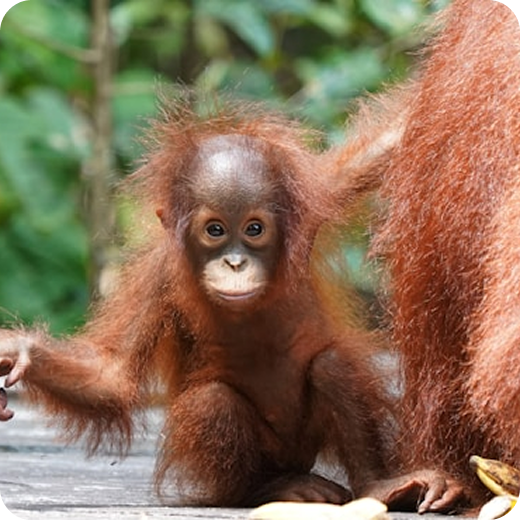
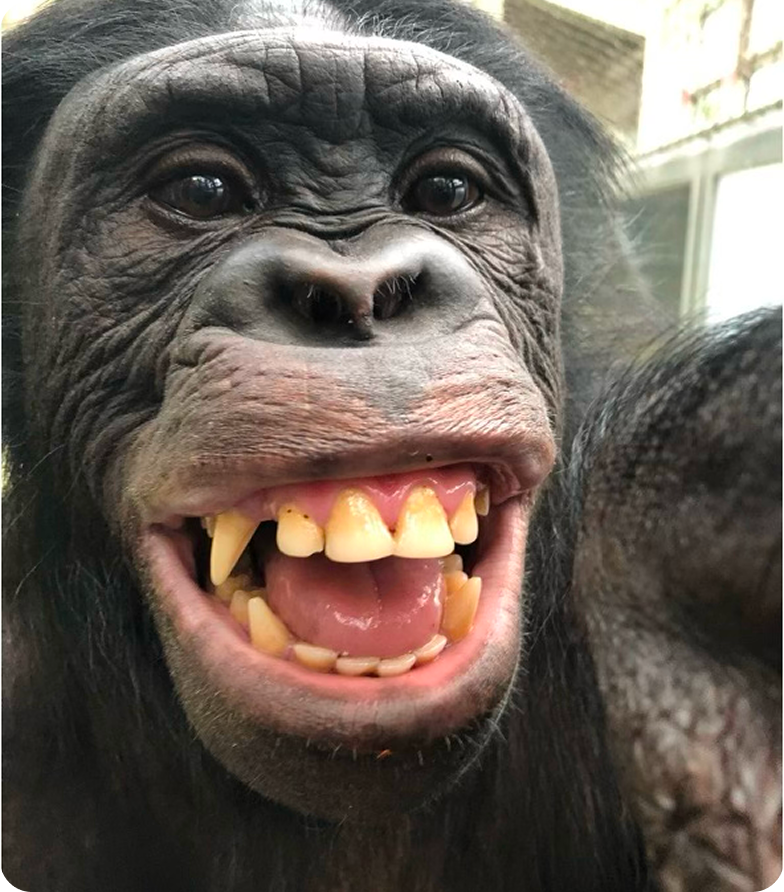
Apes share many cognitive and emotional characteristics with humans. Studying their vocalisations and behavioural responses helps scientists explore how positive emotional signals affect social relationships and group dynamics.
Learn about the scientific questions behind the project and how researchers are exploring the emotional lives of animals. The Joyful by Nature project has five main themes, introduced below.
Signals associated with joy may play an important role in communication between animals. In social species, playful vocalisations or behavioural cues can influence group dynamics, strengthen social bonds and coordinate interaction between individuals.
Understanding how these signals function helps researchers explore the broader role of positive emotions in animal behaviour. By examining how joyful signals affect cooperation, learning and social relationships, we can gain new insights into the evolution of emotional communication across species.
Animals across many species produce behavioural and vocal signals that appear to be associated with positive emotional states such as play, excitement and social bonding. These signals can occur in different contexts — during social play, cooperative interaction, exploration of novel environments, or when animals successfully solve challenges.
By studying these moments in detail, we aim to understand the specific conditions under which animals express signals linked to joy. Observing when these signals appear allows us to explore whether they function as communication between individuals, whether they reflect internal emotional states, and how they may contribute to social dynamics within groups.
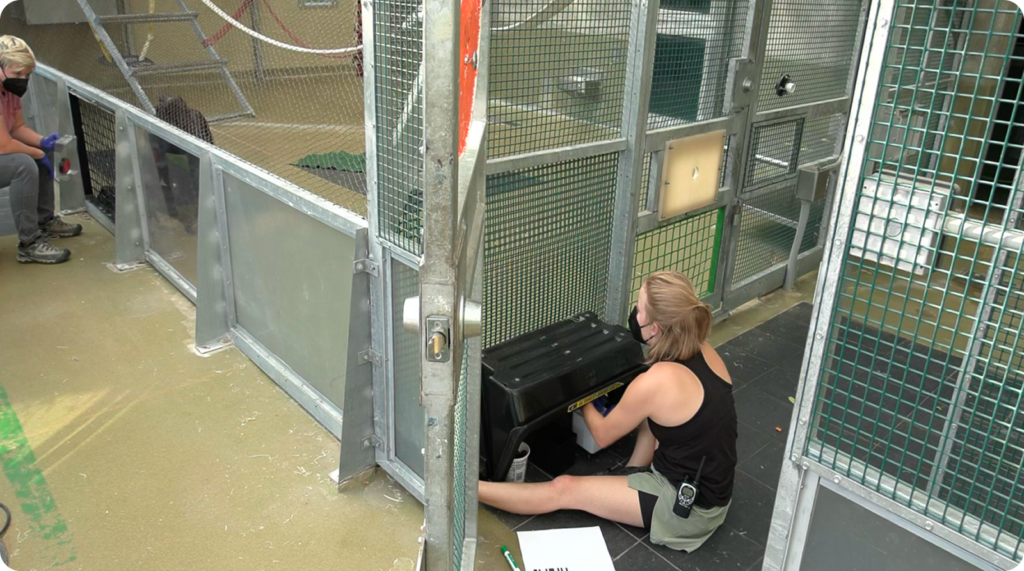
One important question for researchers is whether signals associated with joy can be reliably elicited in controlled environments. Through carefully designed behavioural experiments, scientists can introduce playful stimuli, cooperative tasks, or enriched environments to observe whether animals respond with vocalisations or behaviours that resemble joyful signals. We are pioneering a “windfall” experiment in which animals get an unexpectedly good reward, allowing us to measure the impact on subsequent mood and behavior.
Positive emotional signals may play an important role in shaping the emotional state of other individuals. In many social species, vocalisations associated with play or excitement appear to spread through groups, potentially influencing the mood and behaviour of nearby animals.
Positive emotional states are known to influence cognitive processes in humans, including attention, learning and memory formation. Researchers are exploring whether similar effects may occur in animals when they experience or perceive signals associated with joy.
If joyful signals create a more positive emotional context, they may enhance curiosity, exploration and problem-solving. By examining how animals perform in learning tasks before and after exposure to positive signals, we aim to understand whether these emotional states can support cognitive flexibility and improved memory retention.
Many animals rely on cooperation and social bonding to survive and thrive. Signals associated with joy may help strengthen these relationships by promoting trust, play and coordinated behaviour between individuals.
If joyful signals create a more positive emotional context, they may enhance curiosity, exploration and problem-solving. By examining how animals perform in learning tasks before and after exposure to positive signals, we aim to understand whether these emotional states can support cognitive flexibility and improved memory retention.
The Joyful by Nature project brings together researchers from multiple institutions specialising in animal cognition, behavioural science and evolutionary biology.
Vincent Janik is a Professor of Marine Biology and Director of the Scottish Oceans Institute at the University of St Andrews. His research focuses on cognition and communication in marine mammals and how anthropogenic noise affects these animals. Janik led numerous marine field expeditions and serves regularly on governmental and non-governmental advisory boards in his field. He teaches students at all levels in marine mammalogy, bioacoustics and animal behaviour.
Ximena Nelson specialises in animal behaviour, animal cognition, sensory ecology, and neuroethology. Her research examines how animals perceive, process, and act on information, with a particular focus on kea parrots and jumping spiders, two systems that illuminate the evolution of intelligence, decision‑making, and sensory‑driven behaviour. Her research has been featured in major scientific outlets and international media.
Relevant publications:
Grabham AA, Mill MM, Florent SN, Eriksen M, Prokshina A, Hill J, Thompson D, Taylor AH,
Nelson XJ 2026. A disabled kea parrot is the alpha male of his circus. Current Biology. In Press. Nelson XJ, Taylor AH, Cartmill EA, Lynn H, Robinson LM, Janik V, Allen C 2023. Joyful by nature: Approaches to investigate the evolution and function of joy in non-human animals. Biological Reviews 98, 1548–1563. doi:10.1111/brv.12965.
Alex Taylor works across the fields of comparative psychology, behavioural neuroscience, evolutionary biology, animal behaviour, and animal welfare. The key focus of his research is the development of experimental methodologies and theoretical frameworks that increase the strength of the inferences we can make about the cognitive processes of animals.
Relevant publications: ·
Nelson XJ, Taylor AH, Cartmill, EA, Lyn H, Robinson LM, Janik V & Allen C (2023) Joyful by nature: approaches to investigate the evolution and function of joy in non-human animals. Biological Reviews 98(5), 1548-1563. IF 14.4
· Taylor AH, Bastos APM, Brown R, & Allen C (2022) The signature-testing approach to mapping biological and artificial intelligences Trends in Cognitive Sciences 26(9), 738-750. IF 21.8
This research is supported by the Templeton World Charity Foundation as part of the Diverse Intelligences initiative exploring cognition, emotion and intelligence across species.

Nelson, X.J., Taylor, A.H., Cartmill, E.A., Lyn, H., Robinson, L.M., Janik, V.M., Allen, C. (2023)* Joyful by nature: approaches to investigate the evolution and function of joy in non-human animals. Biological Reviews 98(5):1548-1563; doi: 10.1111/brv.12965
Winkler, S.L., Laumer, I.B., Lyn, H. et al. Bonobos tend to behave optimistically after hearing laughter. Sci Rep 15, 20067 (2025). https://doi.org/10.1038/s41598-025-02594-8